Source Plus Size Hoodie for Home, Sport, and Casual Wear
Explore 30 verified listings for plus size hoodie options featuring cotton and polyester materials. Buyers can compare customization, sizes, and packing details from suppliers in Shanghai and China Mainland.
Key considerations
Products List


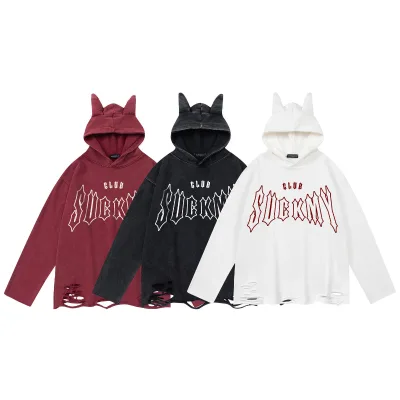


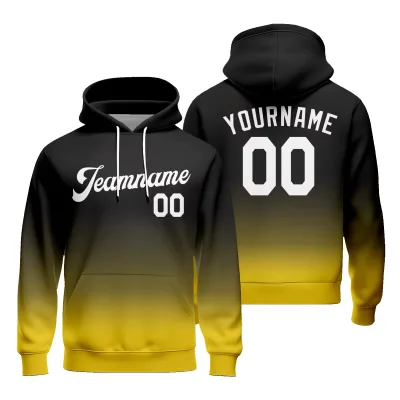

Comprehensive Sourcing Guide
Strategic Sourcing Guide for Plus Size Hoodies in the B2B Market
Procuring plus size hoodies requires a nuanced approach that balances specific fit requirements with the broader operational constraints of B2B manufacturing. The market for unisex and adult-oriented hoodies is vast, yet sourcing the correct inventory involves verifying that the product attributes align with the intended demographic. Buyers must navigate a landscape where "plus size" is not always a distinct SKU but rather a variation of standard sizing, often requiring careful verification of the "Free Size" or extended range claims found in supplier catalogs. This guide outlines the critical technical, logistical, and quality factors necessary for a successful procurement strategy, grounded in the observable data of the current supply chain.
Technical Specifications and Material Composition
The foundation of any successful hoodie procurement lies in the precise definition of technical specifications. In the current market, the product type is predominantly categorized as a "Hoody" or "Pullover," with specific variations in sleeve length and hood type. When sourcing for plus size applications, the material composition is a primary driver of both comfort and durability. The supply chain data indicates a split between natural and synthetic fibers, with "100% cotton" and "100% polyester" being the most frequently observed standards.
Buyers must scrutinize the material specification carefully. While some listings explicitly state "Cotton," others specify "Polyester" or blends. For plus size garments, the fabric's drape and recovery are critical; 100% polyester offers high durability and moisture-wicking properties suitable for sport styles, whereas cotton provides a softer hand feel often preferred for casual or home wear. The observed product standards mention specific weights, such as "0.5kg/piece," which serves as a proxy for fabric GSM (grams per square meter). A heavier fabric generally correlates with better structure for larger body types, preventing the garment from clinging or losing shape.
Furthermore, the construction details vary significantly across models. The "Hood Type" is observed as "Fixed," which implies a non-detachable design, a standard feature for most casual and sport hoodies. The "Pocket Type" is another critical specification, with "Side" pockets and "Kangaroo" pockets being the dominant configurations. For plus size buyers, the Kangaroo pocket is often preferred as it offers a larger storage area and a more comfortable resting position for hands, accommodating a broader range of arm lengths and torso widths. The "Collar" style is typically "O-Neck" for pullover variants, ensuring a relaxed fit around the neck without constriction.
Compliance, Certification, and Standard Verification
In the B2B sector, compliance is not merely a formality but a risk mitigation strategy. While the provided data does not list specific third-party certifications (such as OEKO-TEX or GRS), buyers must treat the absence of explicit certification claims as a signal to verify compliance during the supplier audit phase. The "prod_standard" field in supplier listings often contains vague descriptors like "customized" or references to packing dimensions rather than safety or quality certifications.
Buyers should verify that the supplier adheres to international textile safety standards regarding chemical residues, flammability, and fiber content accuracy. The observation of "100% cotton" or "100% polyester" in the product standard requires physical verification through lab testing, as supplier claims can vary. For products originating from "China Mainland" or "Shanghai," buyers must ensure that the manufacturing process complies with the destination market's regulations, particularly regarding labor standards and environmental impact.
The "prod_packing" specifications, such as "Paper Carton," "Export Carton," or "1piece/OPP," also play a role in compliance. Proper packaging protects the garment during transit and ensures that the product arrives in sellable condition. The "60sets/CTN" or "One Piece/Set Per OPP" metrics indicate the unit of measure for shipping, which impacts logistics costs and inventory management. Buyers should confirm that the packaging materials meet sustainability goals if that is a corporate requirement, as "Export Carton" standards can vary widely in terms of recyclability.
Cost Drivers and Pricing Dynamics
Understanding the cost structure of plus size hoodies is essential for budgeting and margin analysis. The observed price range in the market spans from $0.5 to $28 USD, a wide variance that reflects differences in material quality, customization levels, and order volume. The lower end of this spectrum typically corresponds to basic polyester pullovers with minimal customization, while the higher end likely encompasses premium cotton blends, complex embroidery, or specialized plus-size patterning.
The "MOQ" (Minimum Order Quantity) is a significant cost driver, with observed ranges from 1 to 1000 units. For buyers seeking plus size inventory, the MOQ can be a barrier if the supplier does not offer flexible sizing runs. Suppliers often charge higher unit prices for smaller orders, so negotiating a volume discount based on a consolidated order of various sizes is a common strategy. The "prod_model" codes, such as "UHNC20220120-22" or "ES2025-HD7," suggest that pricing may be tied to specific design iterations or production runs.
Customization is a major factor influencing cost. The data confirms that "Customization" is available, with options for "Print or Embroidery" of logos. Embroidery generally incurs a higher cost than printing due to the labor and time involved. Additionally, the "Design: as Customer Request" attribute indicates that bespoke patterns or sizing adjustments will increase the unit price. Buyers must factor in the cost of sample development, which is often separate from the bulk production price, especially when dealing with non-standard sizing requirements.
Typical Applications and Market Segmentation
The versatility of the hoodie allows it to serve multiple market segments, from athletic wear to casual home apparel. The "Style" attributes observed include "Sport," "Casual," and "Home," indicating that the product can be positioned for various use cases. For plus size buyers, the "Sport" style is particularly relevant, as it often requires more durable fabrics and a fit that allows for a full range of motion. The "Season" attribute, listed as "Spring / Autumn," suggests that these garments are designed for transitional weather, making them ideal for layering or standalone wear in moderate climates.
The "Age Group" is consistently listed as "Adults," and the "Gender" is "Unisex," which simplifies the sizing strategy for buyers targeting a broad demographic. However, the "Plus Size" requirement necessitates a deeper look at the "Fit Type." The data mentions "Regular Fit," which may not be sufficient for all plus size customers. Buyers should verify if the supplier offers "Relaxed" or "Oversized" fits, as these are often preferred in the plus size market for comfort and style.
The "Suitable for: Home" attribute highlights the growing trend of loungewear. Plus size hoodies designed for home use prioritize softness and breathability, often utilizing cotton or cotton-polyester blends. This segment is highly competitive, and differentiation often comes from unique design elements, such as the "Pattern" (observed as "Solid") or specific pocket placements. Understanding the end-use application helps buyers select the right supplier, as a manufacturer specializing in sport hoodies may not have the same expertise in loungewear as one focused on casual home apparel.
Supplier Evaluation and Operational Logistics
Evaluating suppliers requires a holistic view of their capabilities, location, and logistical readiness. The "prod_origin" is frequently listed as "China" or "Shanghai," indicating a concentration of manufacturing in this region. While this offers access to a robust supply chain, buyers must assess the supplier's capacity to handle specific plus size requirements. The "prod_model" variations suggest that suppliers may have different lines for different markets, so verifying that the specific model can be produced in the required size range is crucial.
Logistics and payment terms are also critical components of supplier evaluation. The "Payment" method is observed as "Tt" (Telegraphic Transfer), a standard B2B payment method that requires clear terms regarding deposits and balance payments. The "prod_packing" details, such as "Sea Transportation," indicate that the supplier is equipped for international shipping, but buyers must clarify who bears the cost of freight and insurance. The "Lead Time" is not explicitly stated in the data, but the complexity of customization and the MOQ will influence the production schedule.
Buyers should request a detailed production timeline and verify the supplier's ability to meet deadlines. The "prod_packing" standard of "60sets/CTN" or "1piece/OPP" affects how the goods are loaded into containers, which impacts shipping efficiency. For plus size orders, which may involve larger packaging dimensions due to the garment size, buyers should ensure that the supplier can optimize container loading to minimize freight costs.
Quality Control and Long-Term Procurement Strategy
Quality control is paramount in maintaining brand reputation, especially when dealing with plus size garments where fit and durability are paramount. The "prod_standard" field often includes basic descriptions like "0.5kg/piece" or "35455," which buyers should use as a baseline for inspection. However, relying solely on these metrics is insufficient. Buyers must implement a rigorous quality control protocol that includes pre-production sample approval, in-line inspections, and final random inspections (AQL standards).
The "Logo" customization options, whether "Print or Embroidery," require specific quality checks to ensure color fastness, adhesion, and alignment. For plus size hoodies, the stitching quality around the shoulders and pockets is critical, as these areas undergo more stress. Buyers should verify that the supplier has a dedicated QC team and is willing to share inspection reports.
Long-term procurement considerations involve building a relationship with a supplier who can scale with demand. The "Customization" availability suggests that suppliers are open to ongoing design iterations. Buyers should aim to establish a partnership that allows for continuous improvement in fit and fabric quality. The "prod_model" codes can serve as a reference for tracking product evolution over time. By maintaining a consistent supplier relationship, buyers can reduce lead times, negotiate better pricing, and ensure a steady supply of high-quality plus size hoodies that meet the evolving needs of their customer base.
Comparative Analysis of Product Attributes
To facilitate decision-making, the following table summarizes the key attributes observed in the market data, highlighting the variations that buyers must consider when sourcing plus size hoodies.
| Attribute Category | Observed Variations | Sourcing Implication |
|---|---|---|
| Material | 100% Cotton, 100% Polyester, Cotton/Polyester Blends | Select based on desired comfort vs. durability; verify fiber content via lab test. |
| Style | Sport, Casual, Home | Align supplier expertise with target market (e.g., sport for active wear, home for loungewear). |
| Pocket Type | Side, Kangaroo | Kangaroo preferred for plus size comfort and storage; verify pocket reinforcement. |
| Hood Type | Fixed | Standard for most models; ensure hood is proportionate to larger head sizes. |
| Packing | Paper Carton, Export Carton, OPP Bag | Check carton dimensions for shipping efficiency; verify protection during transit. |
| Origin | Shanghai, China, China Mainland | Verify factory location for logistics planning and potential tariff implications. |
| Customization | Logo (Print/Embroidery), Design (Customer Request) | Factor in additional costs and lead times for bespoke designs and branding. |
| Fit Type | Regular Fit, Free Size | "Free Size" may not suit all plus size needs; request specific size charts for verification. |
This comparative analysis underscores the importance of detailed specification checks. The diversity in materials, styles, and packing methods means that a "one-size-fits-all" approach to sourcing is ineffective. Buyers must carefully match their specific requirements with the supplier's capabilities, ensuring that the final product meets the expectations of the plus size market. By adhering to these guidelines, buyers can navigate the complexities of the B2B hoodie market and secure a reliable supply chain that delivers quality and value.
FAQs
What materials are used for plus size hoodies?
The hoodies are made from 100% cotton or 100% polyester. Buyers should verify fabric weight, as some standards list 0.5kg per piece, which indicates durability suitable for larger body types.
Can I customize the logo on these hoodies?
Yes, customization is available with options for print or embroidery. The design can be as per customer request, but buyers must confirm specific logo placement and color fastness requirements before production.
What is the minimum order quantity for these items?
The minimum order quantity ranges from 1 to 1000 units depending on the supplier. Buyers should negotiate volume discounts, as lower unit prices often apply to larger consolidated orders of various sizes.
Where are these plus size hoodies manufactured?
Products originate from China, specifically Shanghai and China Mainland. Buyers must ensure the manufacturing location complies with destination market regulations regarding labor standards and environmental impact before placing orders.
How are the hoodies packaged for shipping?
Packaging includes paper cartons, export cartons, or individual OPP bags. Some suppliers pack 60 sets per carton, while others use one piece per set, which impacts container loading efficiency and freight costs.
What styles are available for adult plus size hoodies?
Available styles include sport, casual, and home wear suitable for spring and autumn. The fit is typically regular, though buyers should verify if relaxed or oversized fits are offered for better comfort.